
Surfaces Designed for Year-Round Exposure
Decorative Concrete & Stamped Concrete in Poughkeepsie for driveways and patios requiring stone appearance without pavers
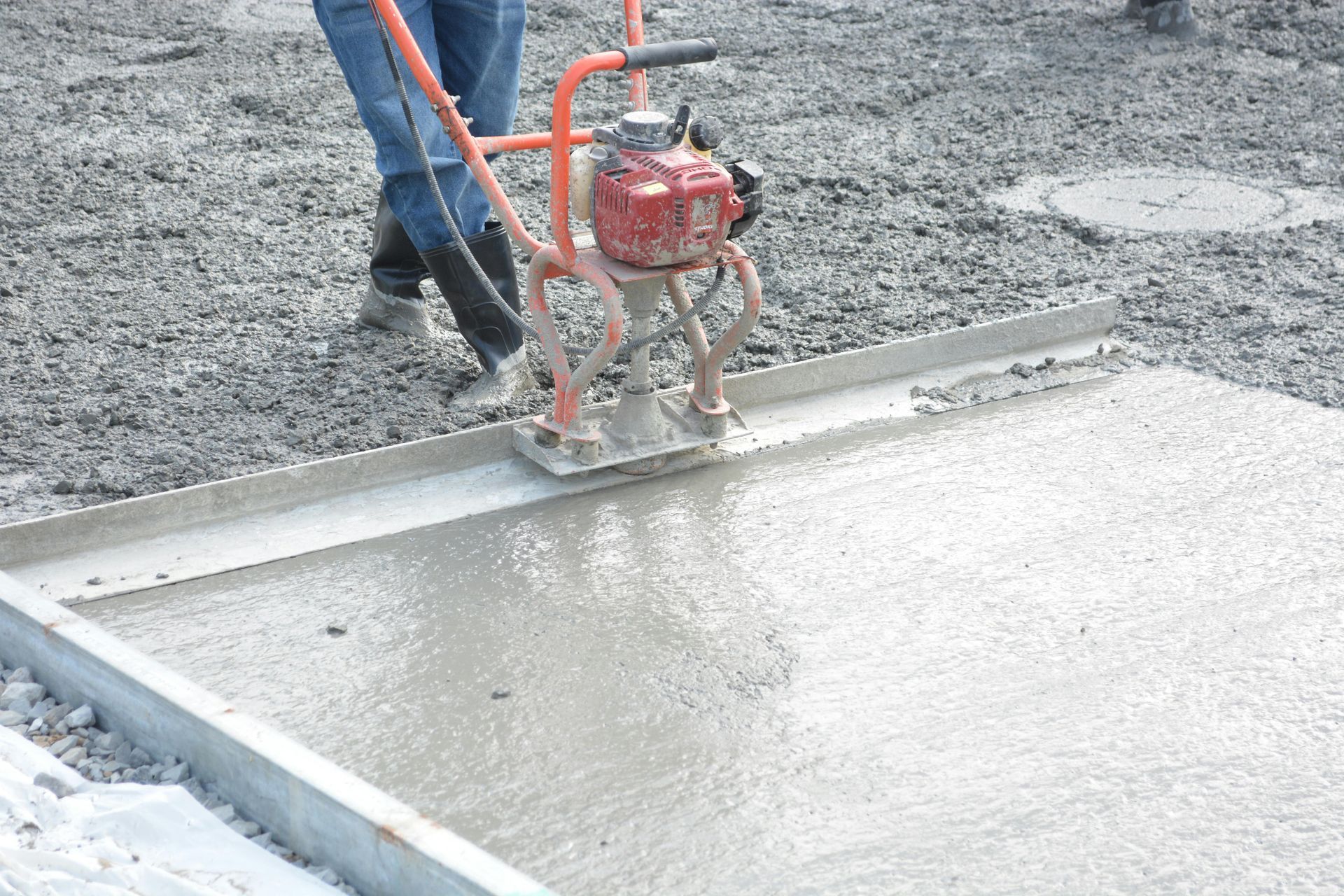
Stamped concrete replicates the look of natural stone, slate, or brick through pattern molds pressed into the surface while the material remains workable, creating texture and joint lines that mimic individual pieces. Fanny landscaping INC. installs these surfaces for properties where the visual detail of stone matters but the labor cost of setting individual pavers exceeds the budget, or where a monolithic surface prevents the weed growth and settling that occurs between separate paving units. The process involves pouring a reinforced slab, applying color treatments, and imprinting patterns before the concrete hardens past the point where stamps leave clear impressions.
Installation requires proper base preparation to prevent cracking as Poughkeepsie's ground freezes and thaws, which means excavating below frost depth and compacting crushed stone to create a stable platform that doesn't shift with seasonal moisture changes. Color is added either integrally throughout the mix or broadcast onto the surface as a hardener, and release agents prevent the stamps from bonding to the concrete while adding accent tones that highlight the texture. Sealing follows once the concrete cures, protecting the surface from water absorption that leads to spalling when trapped moisture freezes and expands inside the pores.
Request a detailed estimate to review pattern options and discuss the site grading your driveway or patio requires.
What Changes After Installation Completes
The finished surface shows defined joint lines and texture that replicate the appearance of individual stones or pavers, with color variation that mimics natural material rather than the uniform gray of plain concrete. Proper stamping creates depth in the pattern, so the texture catches light differently than a flat surface and reads visually as dimensional material from normal viewing distances. The slab resists the rutting and settling that occurs when individual pavers shift under vehicle weight or foot traffic, and the sealed surface sheds water instead of absorbing it, which prevents the efflorescence and staining that develop on unsealed concrete exposed to deicing salts during winter.
You'll notice the surface drains more predictably than paver installations where sand joints allow water to infiltrate unevenly, creating ice patches in shaded areas during cold months. The monolithic slab eliminates the trip hazards that develop when individual pavers settle at different rates, particularly near edges where base material erodes over time. Color remains consistent across the surface rather than fading in traffic patterns the way it does on concrete that wasn't treated with UV-stable pigments and protective sealer.
Decorative concrete installation includes site excavation to proper depth, compacted aggregate base, reinforced concrete slab, color application, pattern stamping, and sealer coating. The service does not include removing existing pavement unless specified, complex drainage systems requiring catch basins or channel drains, or decorative borders using contrasting materials, and resealing is recommended every two to four years to maintain moisture resistance and color protection.
Answers to Frequent Service Questions
Stamped concrete decisions involve pattern selection, color durability, and maintenance requirements that differ from other paving options.
- What determines how realistic stamped concrete looks compared to actual stone? Pattern detail in the stamps, color variation applied during installation, and the skill used to avoid repetitive stamping sequences all affect realism, with random stone patterns generally appearing more natural than geometric brick or tile layouts that show obvious repetition if not carefully offset.
- How does stamped concrete handle Poughkeepsie winters compared to pavers? Stamped concrete avoids the heaving and settling issues that occur when individual pavers shift during freeze-thaw cycles, but surface scaling can develop if water penetrates unsealed concrete and freezes, making proper sealing and resealing critical in climates with repeated freezing temperatures and deicing salt exposure.
- When does stamped concrete crack and how is that addressed? Cracks develop when the base settles unevenly, tree roots create pressure from below, or control joints aren't cut at proper intervals to manage natural shrinkage, and while cracks can be repaired with color-matched filler, they remain visible, making proper base preparation and joint planning essential during installation.
- Why does color fade on some stamped concrete but not others? Concrete colored only with surface hardeners fades as traffic wears away the top layer, while integral color mixed throughout the concrete maintains appearance even as the surface wears, and ultraviolet exposure breaks down pigments that aren't stabilized, making sealer with UV inhibitors necessary for long-term color retention.
- What maintenance does stamped concrete require beyond resealing? Surfaces should be cleaned periodically with pH-neutral detergents rather than acidic cleaners that etch the sealer, deicing salts should be cleared promptly in winter rather than allowed to sit on the surface, and pressure washing should use appropriate nozzle distance to avoid damaging the stamped texture or stripping sealer prematurely.
Fanny landscaping INC. matches pattern and color selections to your architectural style and explains the base preparation your soil conditions require. Schedule a consultation to see pattern samples and discuss how decorative concrete fits your site drainage and usage patterns.