
Structural Fixes That Stop Further Damage
Deck Repair & Restoration in Poughkeepsie for loose railings and weakened support posts
Loose railings develop when fasteners corrode or pull free from rim joists that have lost density from moisture exposure, creating hazards during normal use. Fanny landscaping INC. addresses these failures along with sagging joists, cracked boards, and posts that shift because footings have heaved during freeze-thaw cycles common in Poughkeepsie. Restoration work targets the specific components that compromise safety while preserving the parts of the structure that still perform correctly.
The process involves identifying which boards need replacement due to rot versus which can be sanded and refinished, reinforcing joist hangers that have loosened, and re-securing railings with through-bolted connections rather than surface screws. Power washing removes surface mold and weathered wood fibers before staining, which allows the finish to penetrate properly rather than sitting on top of dirt and degraded material. Each repair decision weighs the remaining lifespan of adjacent components so you avoid spending money on restoration work that becomes obsolete when surrounding elements fail shortly after.
Arrange an on-site inspection to identify which structural elements require replacement and which components respond to surface restoration.
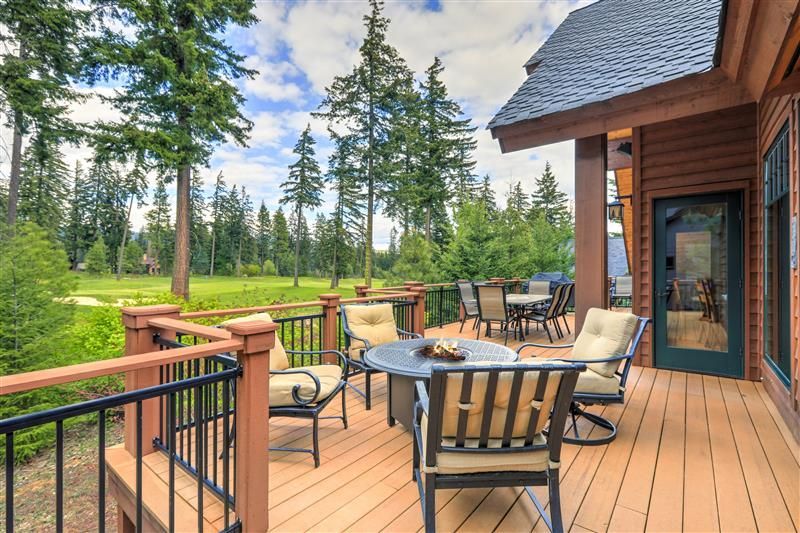
How Restoration Addresses Deck Deterioration
Restoration begins with removing damaged boards and inspecting the framing underneath for soft spots that indicate moisture has reached the joists, which happens most often where boards remain in constant contact with trapped leaves or snow melt sits without draining. Joists showing early rot in the outer inch of wood are often reinforced with sister joists bolted alongside, while those with deeper decay require full replacement to restore load capacity. Railing posts are checked for rot at the base where water collects, and loose connections are upgraded to bolted attachments that resist the lateral forces created when people lean against the rail.
After repairs are complete, the deck surface feels solid underfoot without the springiness that indicates failing joists, railings no longer move when you grip them, and staining brings back the color depth that untreated wood loses after one year of weather exposure. Properly sealed wood sheds water instead of absorbing it, which prevents the swelling and cupping that creates uneven walking surfaces and traps moisture against fasteners. You'll notice the platform no longer collects standing water in low spots that developed as joists sagged between supports.
Restoration includes structural repairs to framing and supports, board replacement in damaged sections, power washing to remove weathering and organic growth, sanding to smooth raised grain, and staining or sealing to protect the wood surface. The service does not include decorative upgrades like adding skirting, changing railing styles, or expanding the deck footprint, and extensive rot affecting more than half the structure typically makes replacement more practical than attempting comprehensive repairs.
Common Questions About This Service
Deciding between repair and replacement depends on how much of the structure remains sound and how restoration costs compare to starting over.
- How do you determine whether a deck can be repaired or needs full replacement? If the ledger board attachment shows rot or improper flashing, more than half the joists have soft spots when probed with an awl, or footings have shifted enough to create noticeable slope, replacement typically makes more sense than repairing multiple failing systems that will continue deteriorating.
- What does power washing actually remove from deck surfaces? High-pressure washing strips away weathered wood fibers that have turned gray from ultraviolet exposure, removes mold and mildew growing in damp areas under furniture or planters, and clears dirt from between boards where organic debris traps moisture against the wood.
- When is the right time to restore a deck in Poughkeepsie? Spring allows the wood to dry thoroughly after winter moisture before staining, giving the finish time to cure before summer humidity, though fall restoration works if completed early enough for sealer to set before freezing temperatures arrive and precipitation increases.
- Why do some deck boards crack while others on the same structure remain intact? Boards installed with the growth rings curving upward tend to cup and crack as they dry, fasteners placed too close to board ends create stress points that split during seasonal expansion, and southern exposure accelerates drying on one side of the deck compared to shaded sections, creating uneven moisture content that causes movement.
- What maintenance extends the results of deck restoration? Clearing leaves and debris from between boards prevents moisture retention that starts decay, moving planters periodically stops water from pooling in the same spots, and applying fresh sealer every two to three years maintains the moisture barrier that keeps water from penetrating the wood grain.
Fanny landscaping INC. evaluates which repairs deliver meaningful improvements versus which components have deteriorated beyond practical restoration. Contact us to assess your deck's structural condition and receive a detailed repair proposal.