
Outdoor Spaces Built to Last Decades
Deck Replacement in Poughkeepsie for aging structures with rotted framing or failing boards
Fanny landscaping INC. replaces structurally compromised decks with new installations designed for long-term durability and daily use in Poughkeepsie. The work addresses platforms where joists have absorbed moisture through repeated freeze-thaw cycles, boards flex under normal foot traffic, or fasteners no longer hold securely in weakened wood. Replacement means removing the existing structure down to the ledger attachment and rebuilding with materials selected for the specific exposure conditions your property presents.
The service involves evaluating how water drains off the structure, whether the existing footings meet current load requirements, and which decking material balances maintenance expectations with the wear patterns your household creates. Wood options include pressure-treated southern yellow pine or cedar, while composite materials eliminate the seasonal expansion and contraction that opens gaps and creates splinter hazards over time. Framing dimensions and joist spacing determine how much the finished surface deflects under concentrated loads like furniture groupings or planters.
Schedule a property evaluation to review framing condition and discuss material options suited to your site drainage and sun exposure.
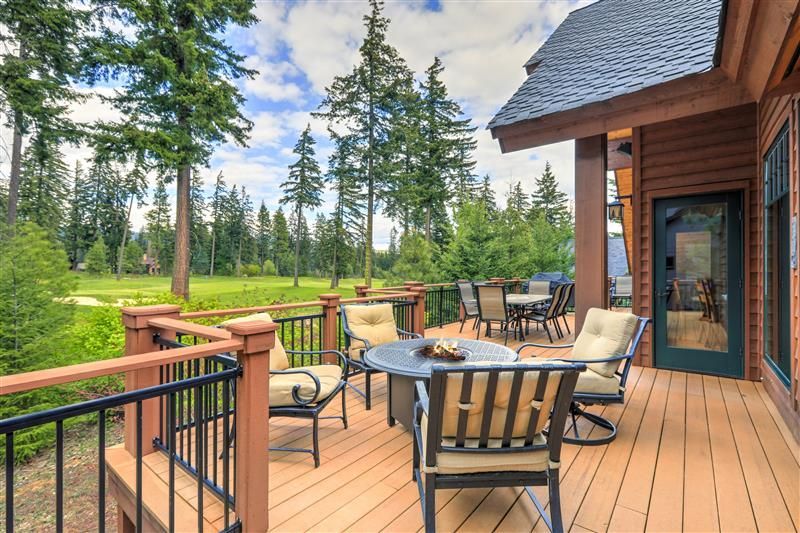
What Proper Deck Replacement Requires
Replacement work starts with removing the old deck and inspecting the ledger board attachment to your home's rim joist, which must be flashed correctly to prevent water from entering the wall cavity behind the siding. Footings are poured below the frost line—critical in Poughkeepsie where ground freezing can shift shallow posts and create uneven surfaces—and posts are set with proper bracing before beams and joists are installed. The finish material you select determines joist spacing: composite decking often requires closer joist intervals than traditional wood to prevent excessive flexing between supports.
Once the new deck is finished, you'll notice the surface remains level without the soft spots that develop when underlying joists rot, railings no longer wobble when you lean against them, and fasteners sit flush rather than backing out as boards shrink and swell. Composite materials maintain consistent color without the graying that untreated wood develops after one season of ultraviolet exposure, while properly spaced joists eliminate the bounce that makes furniture unsteady. Correctly installed flashing keeps water out of the connection point where the deck attaches to your home, which prevents interior damage that often goes unnoticed until stains appear on basement walls.
Deck replacement includes demolition and haul-away of the existing structure, new footings and framing, decking installation, and railing systems that meet current code heights and baluster spacing. The work does not typically include built-in seating, pergola structures, or electrical rough-ins for lighting unless specified during the planning phase, and site grading beneath the deck to manage water drainage may be quoted separately depending on existing slope conditions.
Questions Before Starting Your Project
Deck replacement decisions involve material selection, structural requirements, and site-specific conditions that affect how the finished platform performs over time.
- What determines whether composite or wood makes more sense for a replacement deck? Composite eliminates seasonal maintenance like staining and sealing, resists moisture absorption that causes wood to rot in shaded areas, and maintains surface texture without splintering, but costs more upfront and requires closer joist spacing due to greater flexibility between supports compared to solid lumber.
- How does Poughkeepsie's climate affect deck material performance? Freeze-thaw cycles stress fastener connections as moisture trapped in wood expands when temperatures drop, composite materials avoid this movement but can retain more surface heat in direct sun during summer months, and proper flashing at the ledger board becomes critical when snow accumulates against the house and melts slowly during temperature swings.
- What happens to the area directly under the deck during replacement? The existing footings are either reused if they meet depth and diameter requirements or replaced with new poured concrete extending below frost line, excavation for new footings disturbs landscaping in those spots, and the ground beneath the deck should slope away from the foundation to prevent water from pooling under the structure.
- When should railings be replaced even if they appear intact? Railings must be replaced if baluster spacing exceeds current code limits that prevent small children from slipping through, post attachments rely on lag screws into rim joists rather than through-bolted connections, or top rail height measures below the required thirty-six inches from the deck surface.
- Why do deck costs vary significantly between projects of similar size? Material selection creates the largest cost difference, but structural factors like the number of direction changes in the layout, stairs with multiple landings, and the need for deep footings in sloped yards all add labor and materials beyond what a simple rectangular platform requires.
Fanny landscaping INC. provides detailed estimates that account for your site's slope, soil conditions, and the specific deck configuration that fits how you use outdoor space. Request a consultation to review material samples and discuss the structural approach your property requires.